

This teaching blog is shaped by a clear conviction: the books and stories we choose for our students matter deeply. Every text, story, and film I write about is the result of a personal and thoughtful choice — selected from what I have personally read, studied, loved, and found significant, profound, and enduring.
Here you will find reflections, analyses, and ideas for middle and high school classrooms. Analysis becomes discovery, and stories become encounters. They are not chosen simply because they fit a syllabus; they are rich in beauty, depth, and human insight — and students deserve what is most beautiful, most challenging, and most significant in storytelling. This teaching blog is where that search begins.
Latest Posts
What follows are my most recent pieces. For the fuller picture — every author and theme gathered together — wander through the categories in the sidebar.
-
Atticus Finch’s Closing Argument: A Teacher’s Guide to Chapter 20 of To Kill a Mockingbird
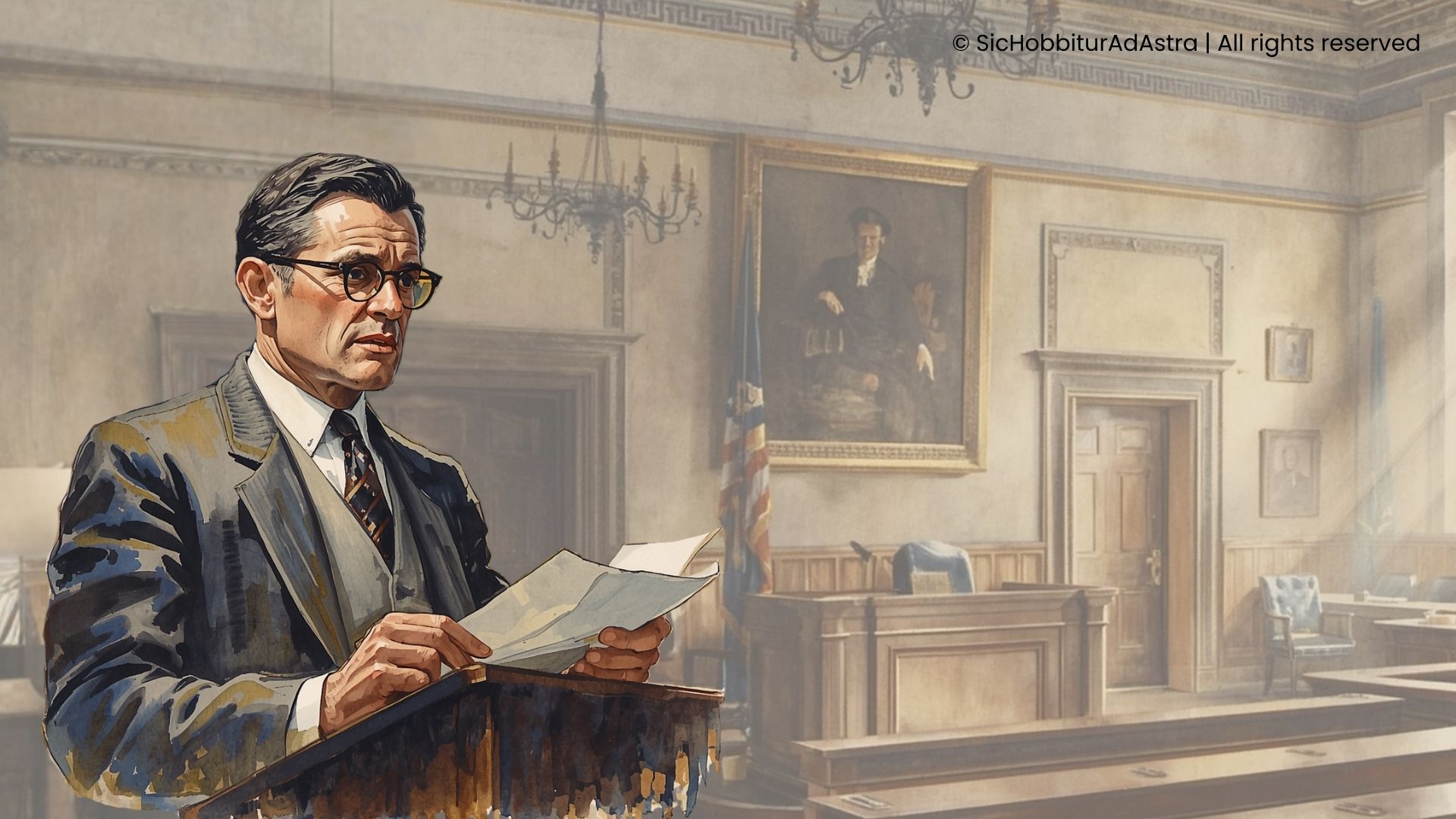 Read more: Atticus Finch’s Closing Argument: A Teacher’s Guide to Chapter 20 of To Kill a Mockingbird
Atticus Finch’s closing argument works as a legal argument, a study in rhetoric, a moral challenge, and a historical document — all at once. Here is how I read it, and what I have found most productive for teaching it.
-
Teaching East of Eden in High School: Are We Free to Choose Who We Become?
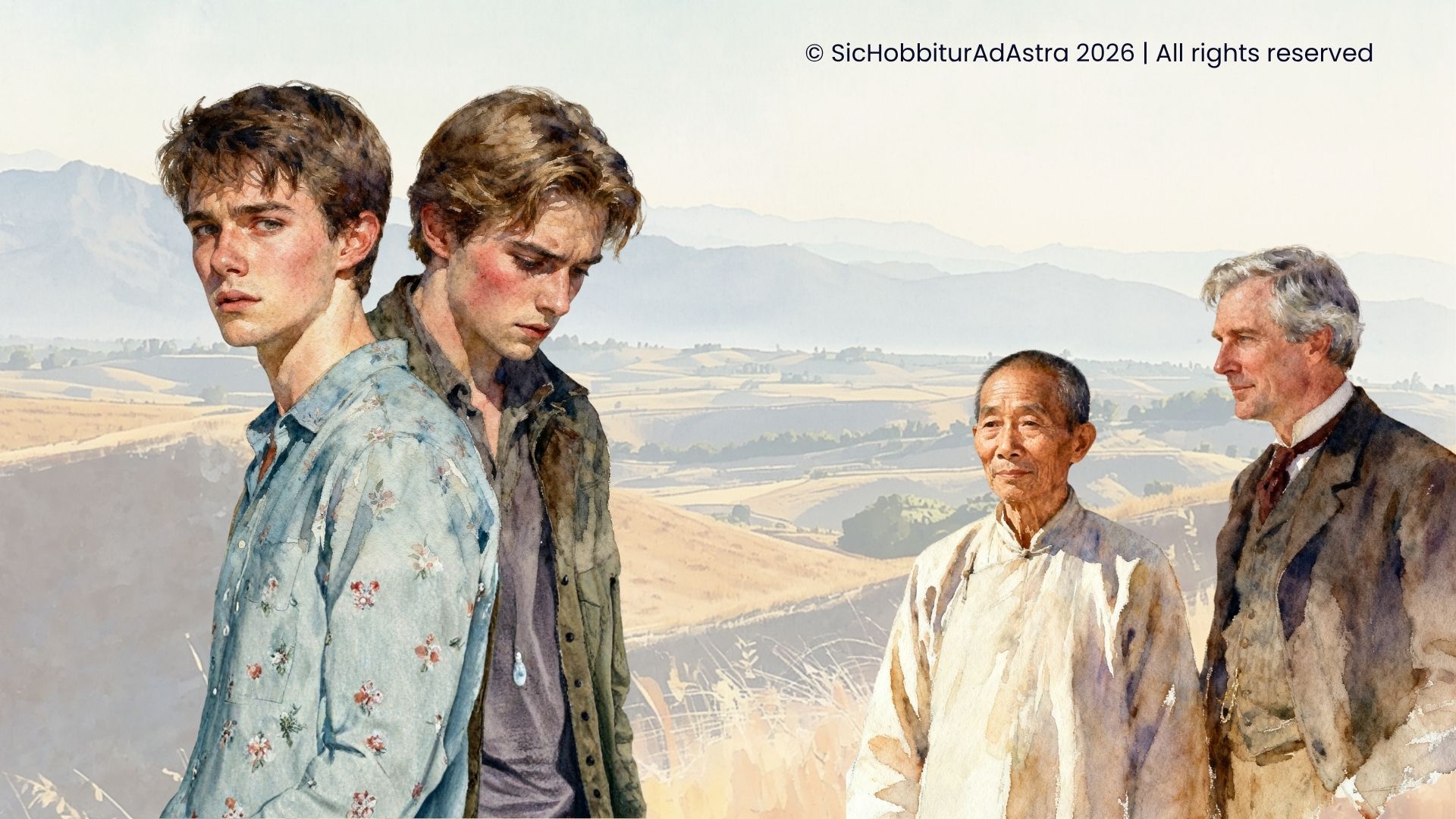 Read more: Teaching East of Eden in High School: Are We Free to Choose Who We Become?
Steinbeck called it his most ambitious novel. At over 600 pages, with a cast of characters spanning two generations, East of Eden is not an easy text to teach. This guide explains why it belongs in your high school classroom anyway — and how to make it work.
-
Lee in J. Steinbeck’s East of Eden: The Wisdom of the Margins
 Read more: Lee in J. Steinbeck’s East of Eden: The Wisdom of the Margins
In East of Eden, Lee speaks broken English by choice, studies Hebrew for fifteen years, and raises two boys who are not his own. Steinbeck called him a better man than himself. This article explores why.
-
Cathy Ames and the Mystery of Evil: Understanding One of Literature’s Most Unsettling Characters
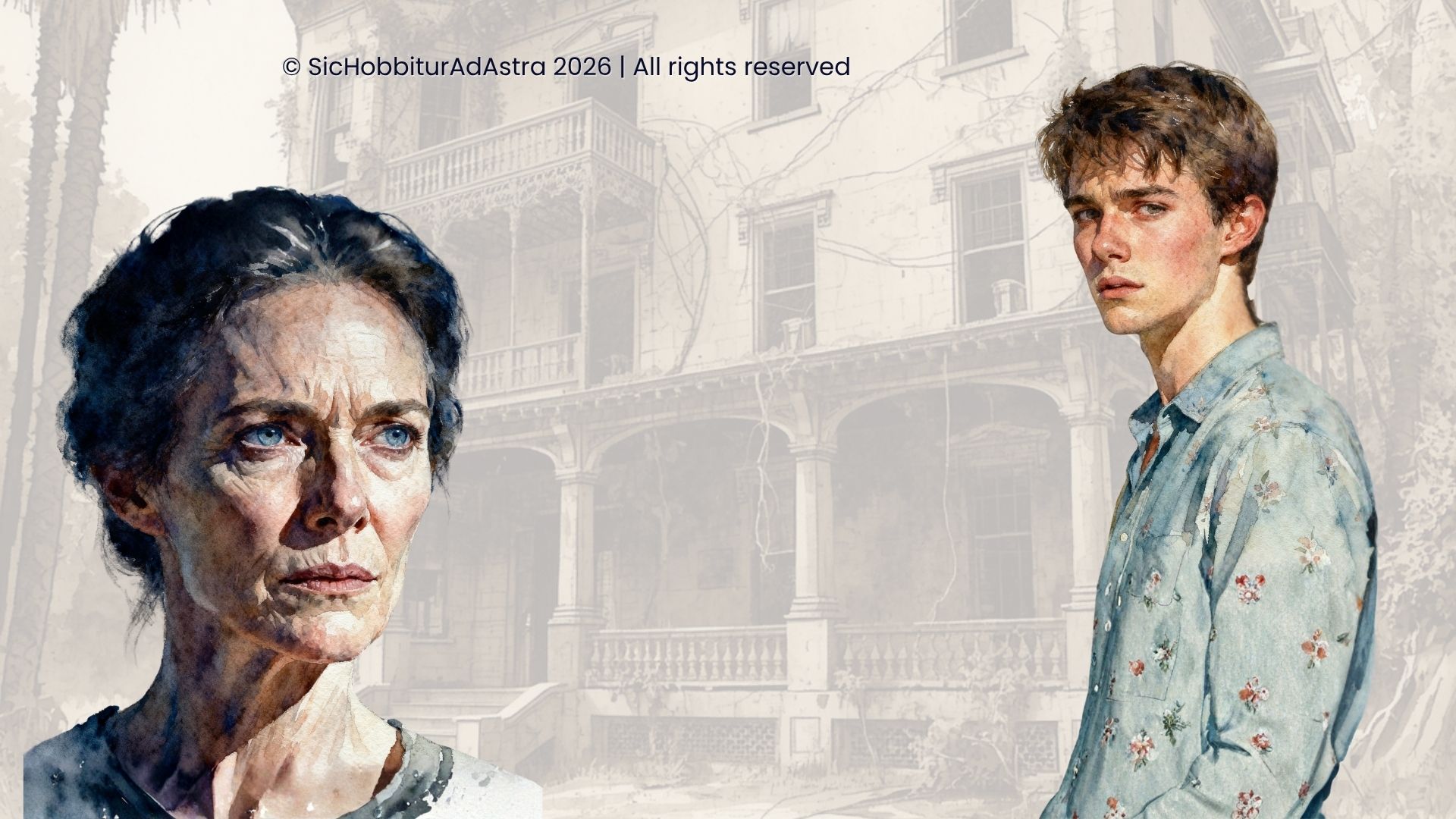 Read more: Cathy Ames and the Mystery of Evil: Understanding One of Literature’s Most Unsettling Characters
Cathy Ames does not invite easy interpretations. In East of Eden, she stands as one of Steinbeck’s most unsettling creations—resisting explanation while quietly reshaping the novel’s moral landscape. This reflection explores her role as a figure of evil, illusion, and moral tension, offering educators a space to engage with one of literature’s most challenging characters.
-
The Lion, the Witch and the Wardrobe Allegory: Understanding C.S. Lewis’s Intent
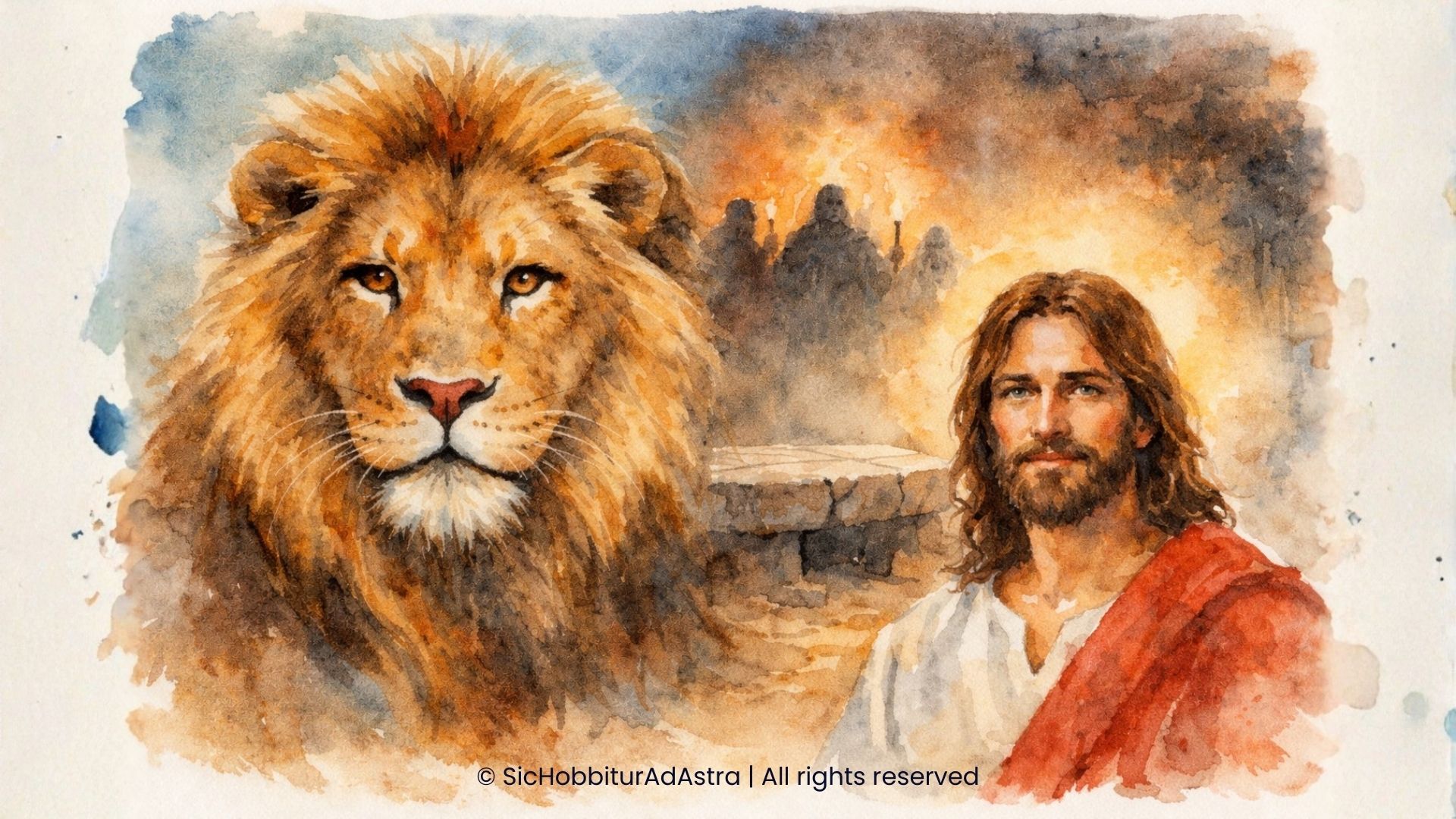 Read more: The Lion, the Witch and the Wardrobe Allegory: Understanding C.S. Lewis’s Intent
Explore whether The Lion, the Witch and the Wardrobe is a true allegory or a rich imaginative supposal by C.S. Lewis, and learn how this distinction can deepen students’ understanding of Aslan and the novel’s themes of redemption, sacrifice, and moral growth.
-
The Magician’s Nephew and the Bible: An Intertextual Comparison
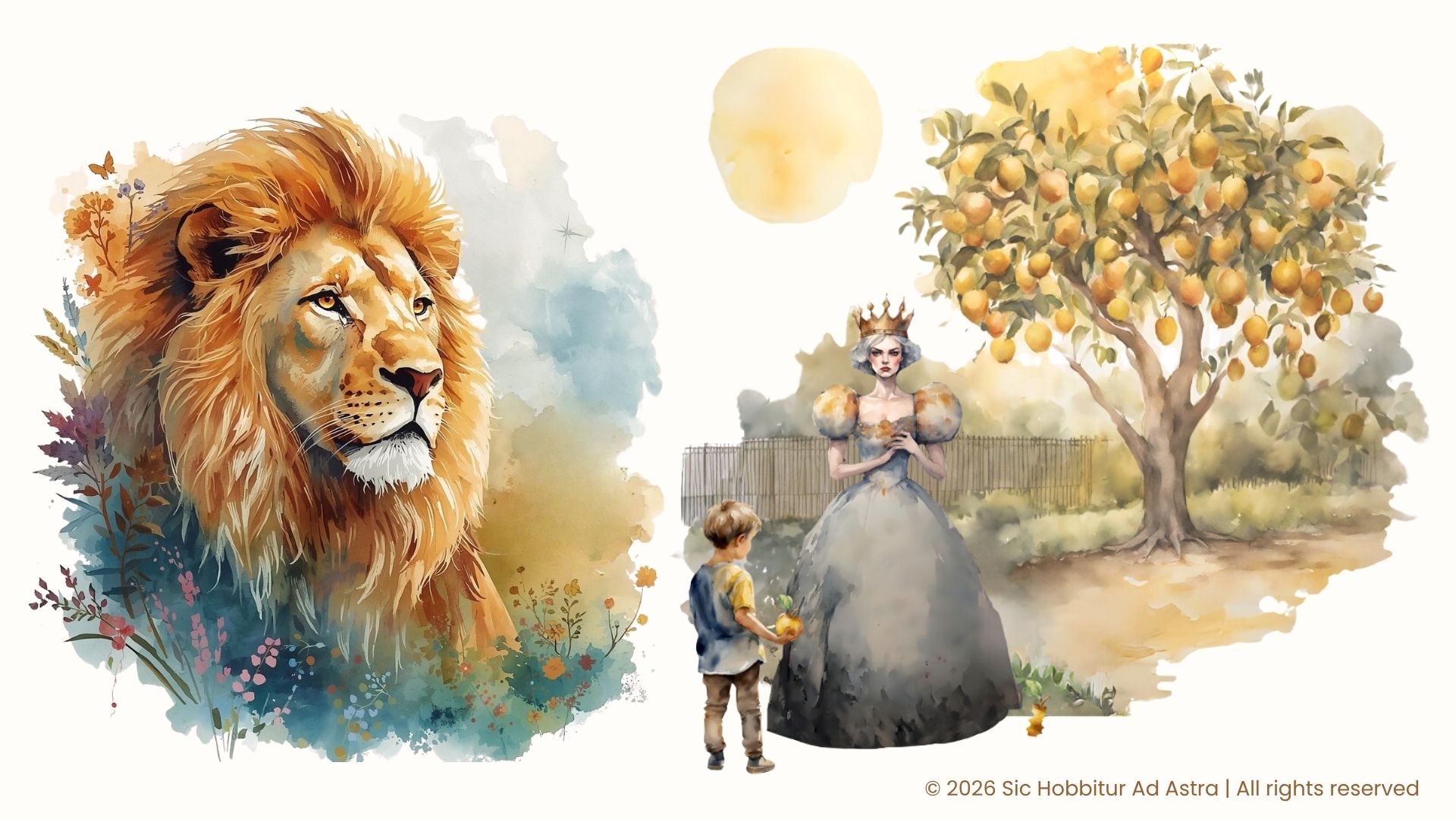 Read more: The Magician’s Nephew and the Bible: An Intertextual Comparison
When I read The Magician’s Nephew with my students, they almost always notice echoes of the biblical creation story — and they’re right. In this article, I explore how these parallels — from Aslan’s song to Digory’s moral choices — can spark rich classroom discussions and invite reflection on literature, faith, and responsibility.
-
Narnia Reading Order for the Classroom: Publication Order vs Chronological Order
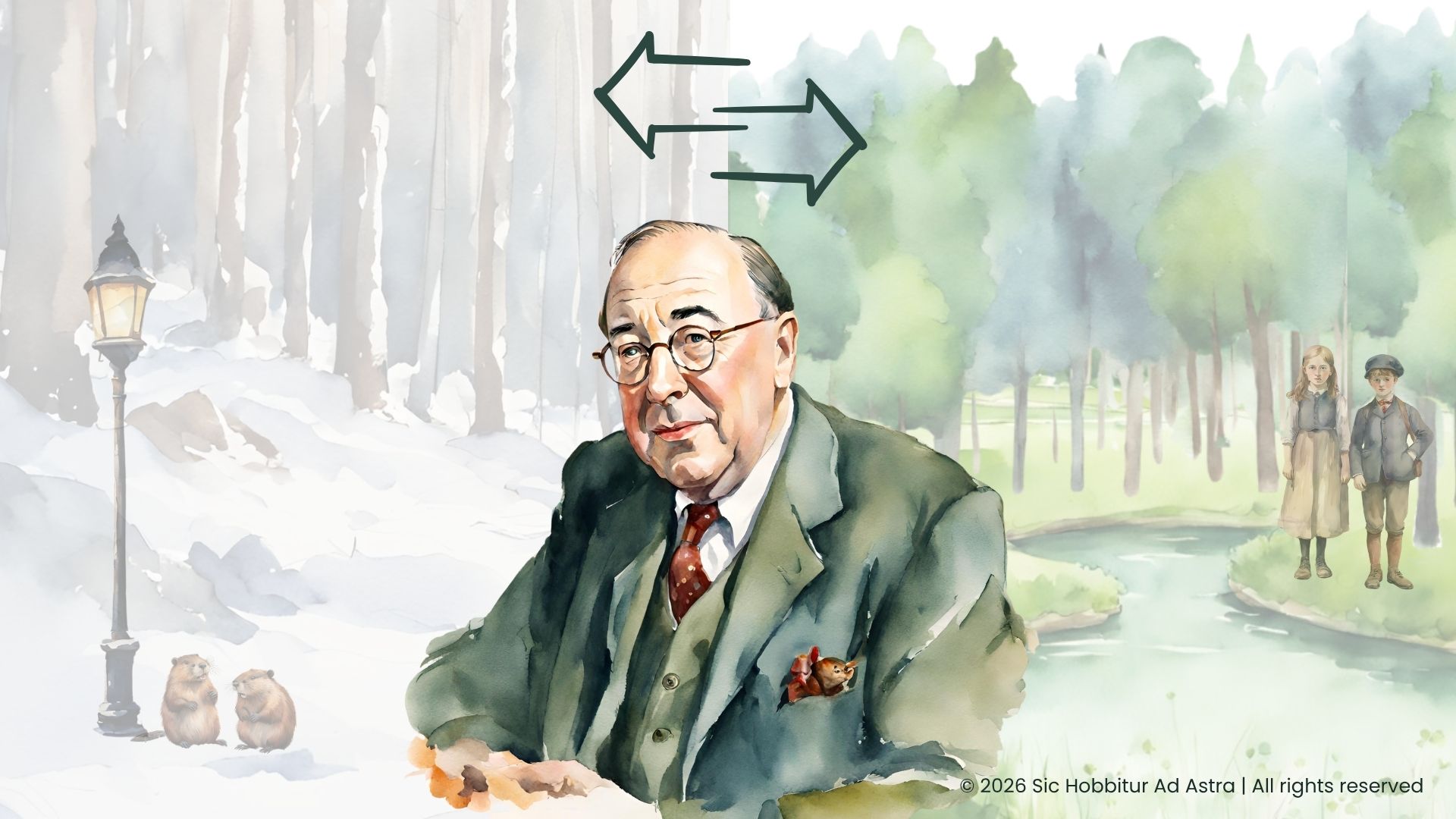 C.S. Lewis, C.S. Lewis – The Lion, the Witch and the Wardrobe, C.S. Lewis – The Magician’s Nephew, Middle School ELARead more: Narnia Reading Order for the Classroom: Publication Order vs Chronological Order
In The Magician’s Nephew, C. S. Lewis crafted Narnia’s origins — yet the novel was not written first. Does this have implications for teaching the series? Absolutely. This article explores The Magician’s Nephew’s role as a Narnia prequel and why the difference between publication and chronological order matters in the classroom.
-
When History Needs a Story: Why Imperium Is a great Historical Fiction About Cicero for Students
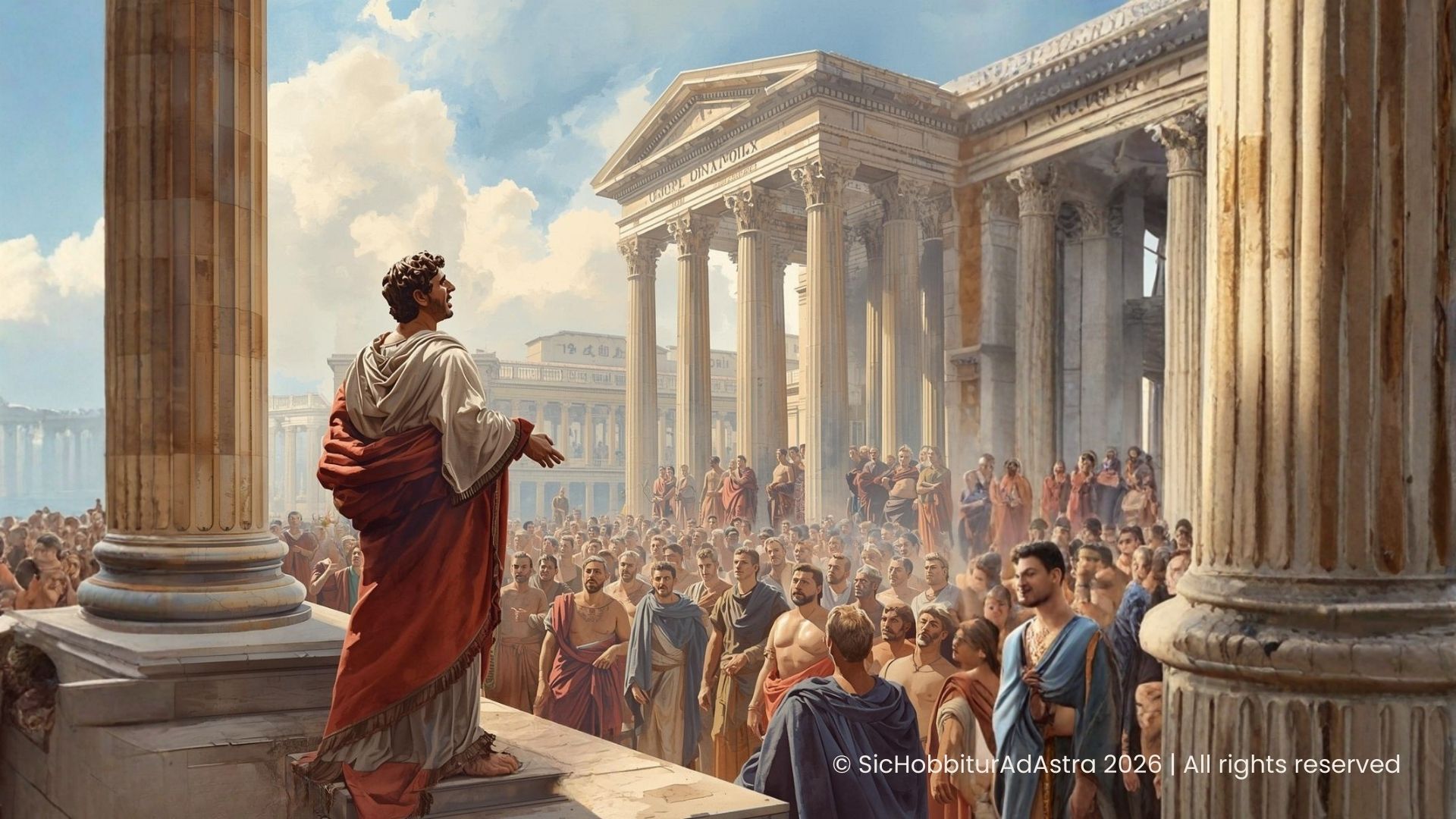 Read more: When History Needs a Story: Why Imperium Is a great Historical Fiction About Cicero for Students
Cicero comes alive in the streets and Forum of ancient Rome—his speeches, ambitions, and moral challenges unfolding in real time. In Robert Harris’ Imperium, students encounter the drama, tension, and intrigue of the Roman Republic in a way that captivates even those usually reluctant to read novels.
-
What Makes a Character Relatable to Middle School Students?
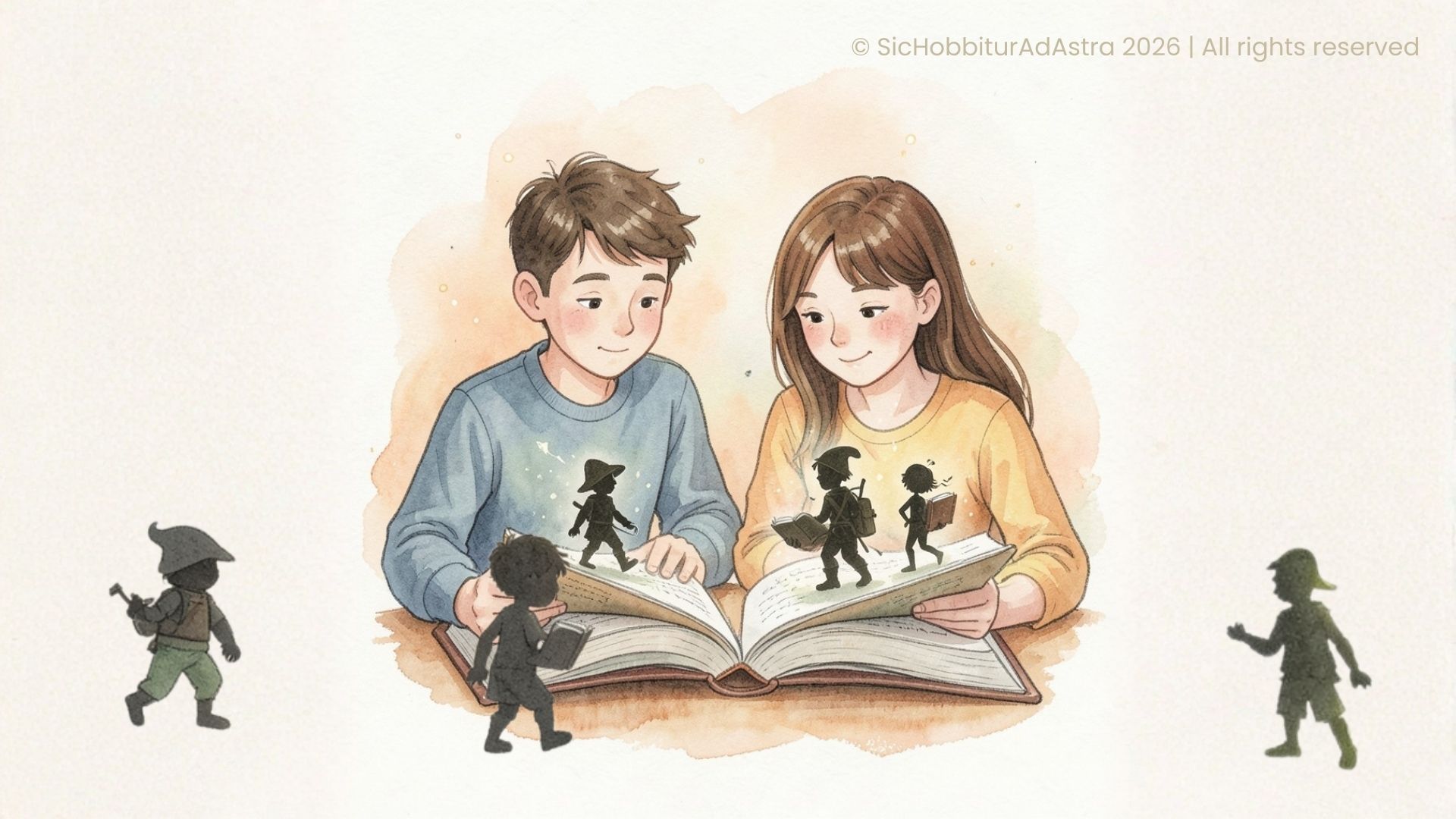 C.S. Lewis – The Lion, the Witch and the Wardrobe, C.S. Lewis – The Magician’s Nephew, H. Lee – To Kill a Mockingbird, Homer – The Iliad, J.R.R. Tolkien – The Hobbit, Middle School ELARead more: What Makes a Character Relatable to Middle School Students?
Why do some literary characters stay with students long after the last page is turned? This article explores vulnerability, inner conflict, and personal growth as key elements that help middle school readers connect deeply with stories across classic and modern literature.
-
What Timshel Means in East of Eden: Choice, Freedom, and Moral Responsibility
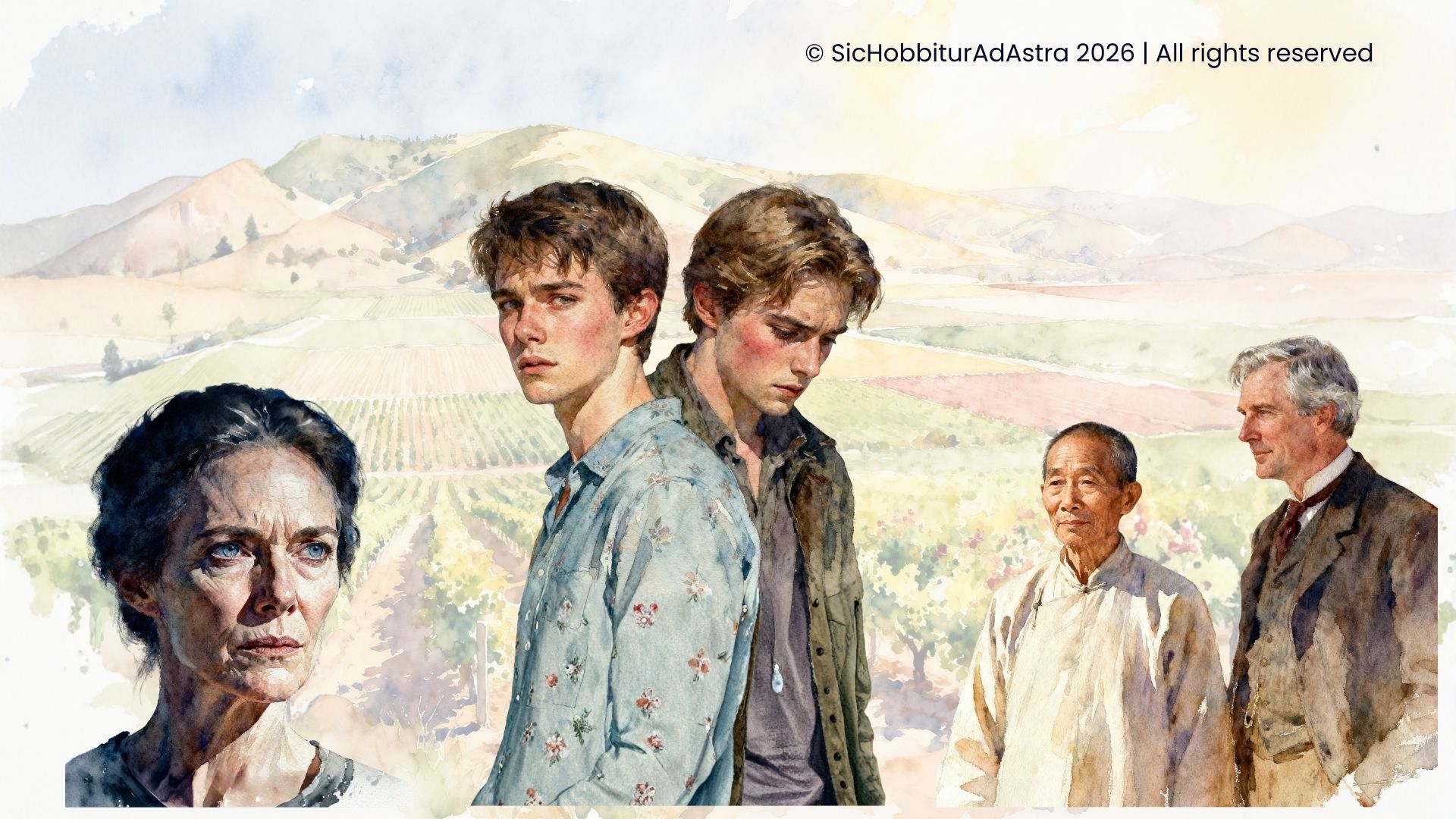 Read more: What Timshel Means in East of Eden: Choice, Freedom, and Moral Responsibility
In East of Eden, John Steinbeck introduces the Hebrew word timshel — “thou mayest” — as a lens for understanding human choice, moral responsibility, and freedom. This reflection explores how the concept resonates not only for characters like Cal but also for educators navigating the classroom.
-
East of Eden by John Steinbeck: A Must-Read for Educators
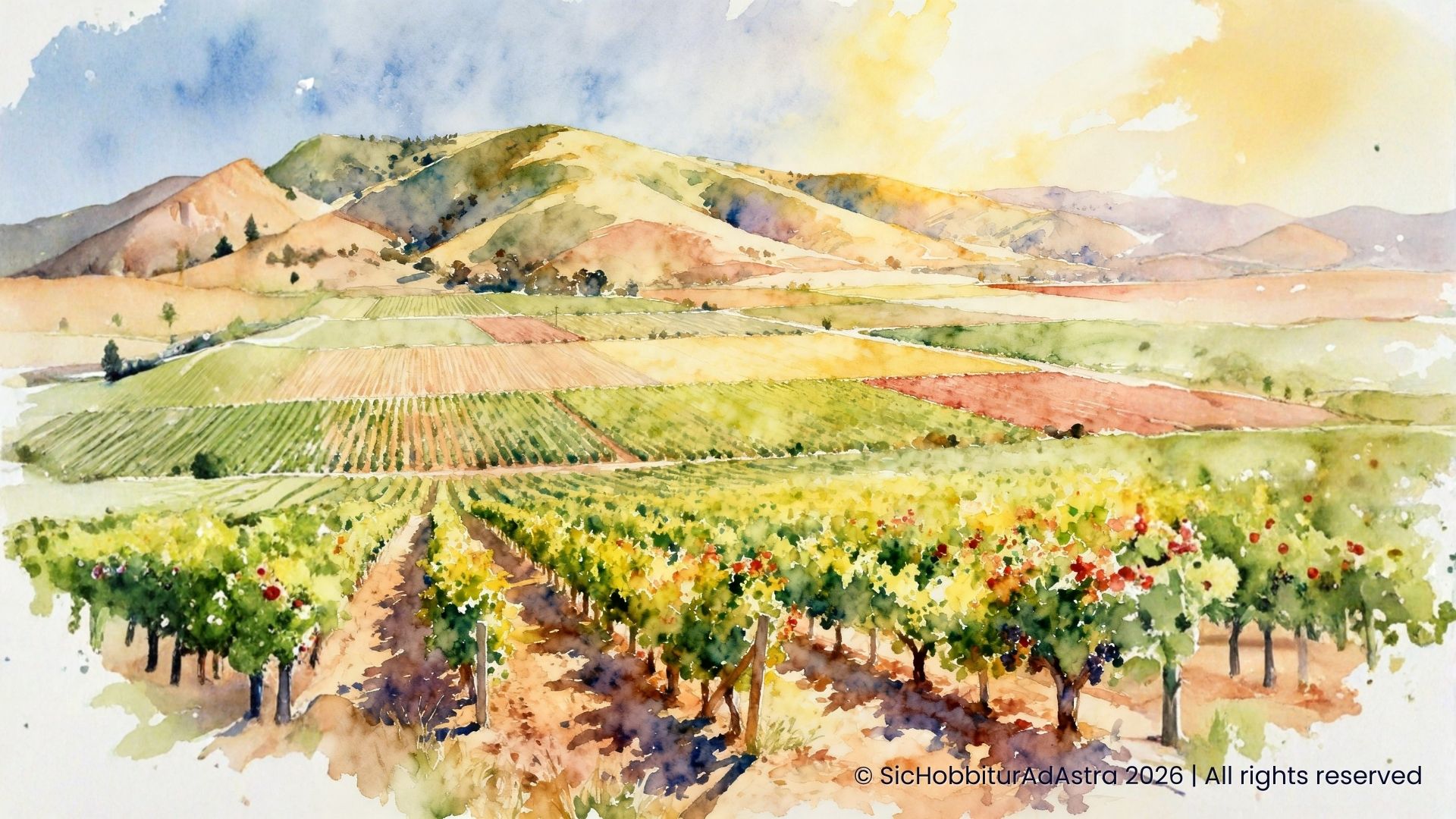 Read more: East of Eden by John Steinbeck: A Must-Read for Educators
To teach deeply, teachers must first read deeply. East of Eden by John Steinbeck illuminates the struggles of family, the weight of legacy, and the power of freedom — lessons that every educator can carry into their classroom.
-
Building Classroom Community with Remember the Titans
 Read more: Building Classroom Community with Remember the Titans
Students can sit side by side every day and still remain strangers. Inspired by Remember the Titans, this article explores how structured reflection can transform a group of individuals into a classroom community built on trust, listening, and shared growth.
-
A Pre-Reading Roadmap for To Kill a Mockingbird
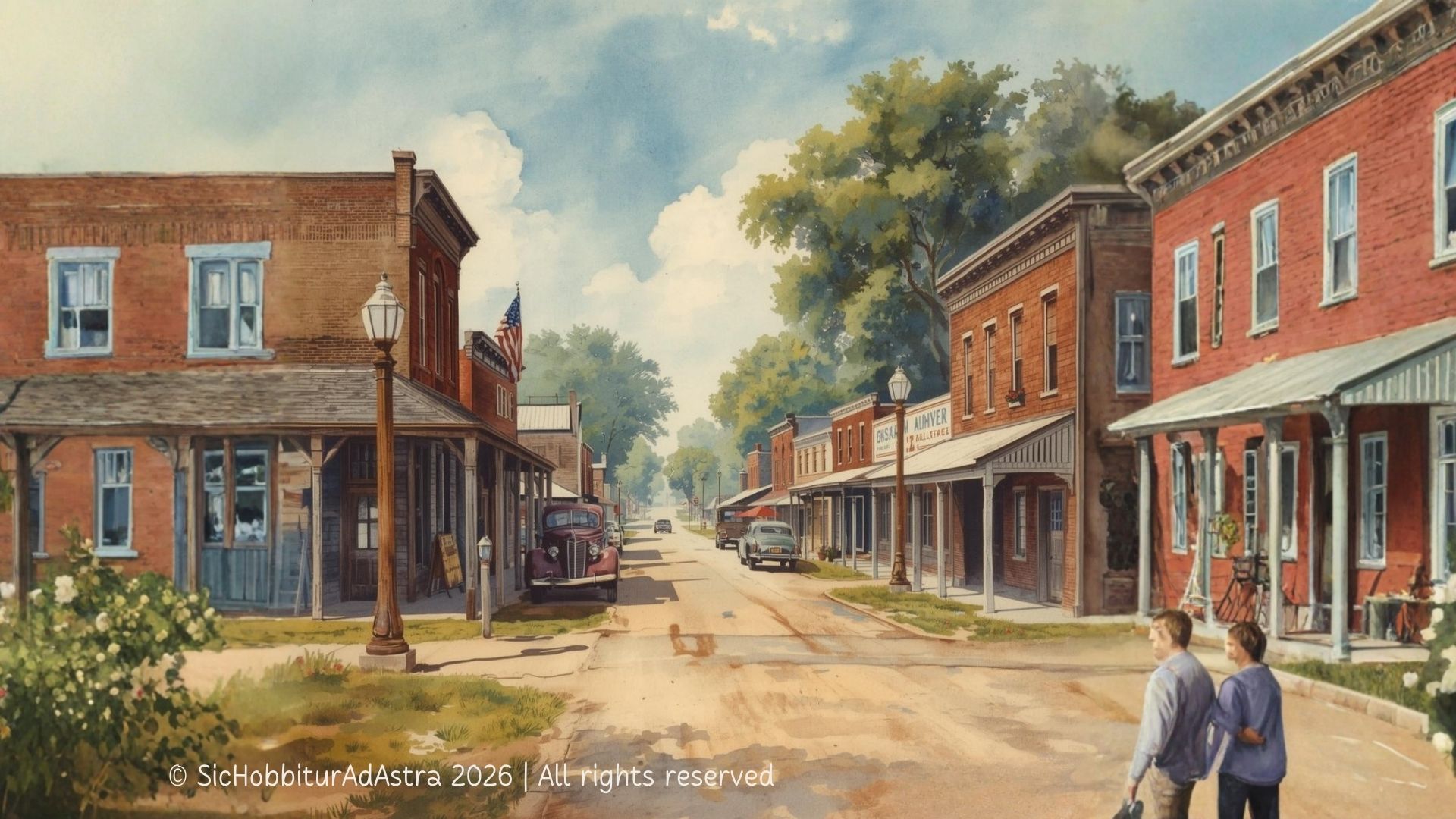 Read more: A Pre-Reading Roadmap for To Kill a Mockingbird
How can we help students truly understand Maycomb before reading To Kill a Mockingbird? This article explores a pre-reading approach centered on identity, stereotypes, and community rules—key concepts that reveal how Maycomb is not just the setting of the novel, but a system that shapes characters, conflict, and meaning.
-
The Creation of Narnia in The Magician’s Nephew (and in the Classroom)
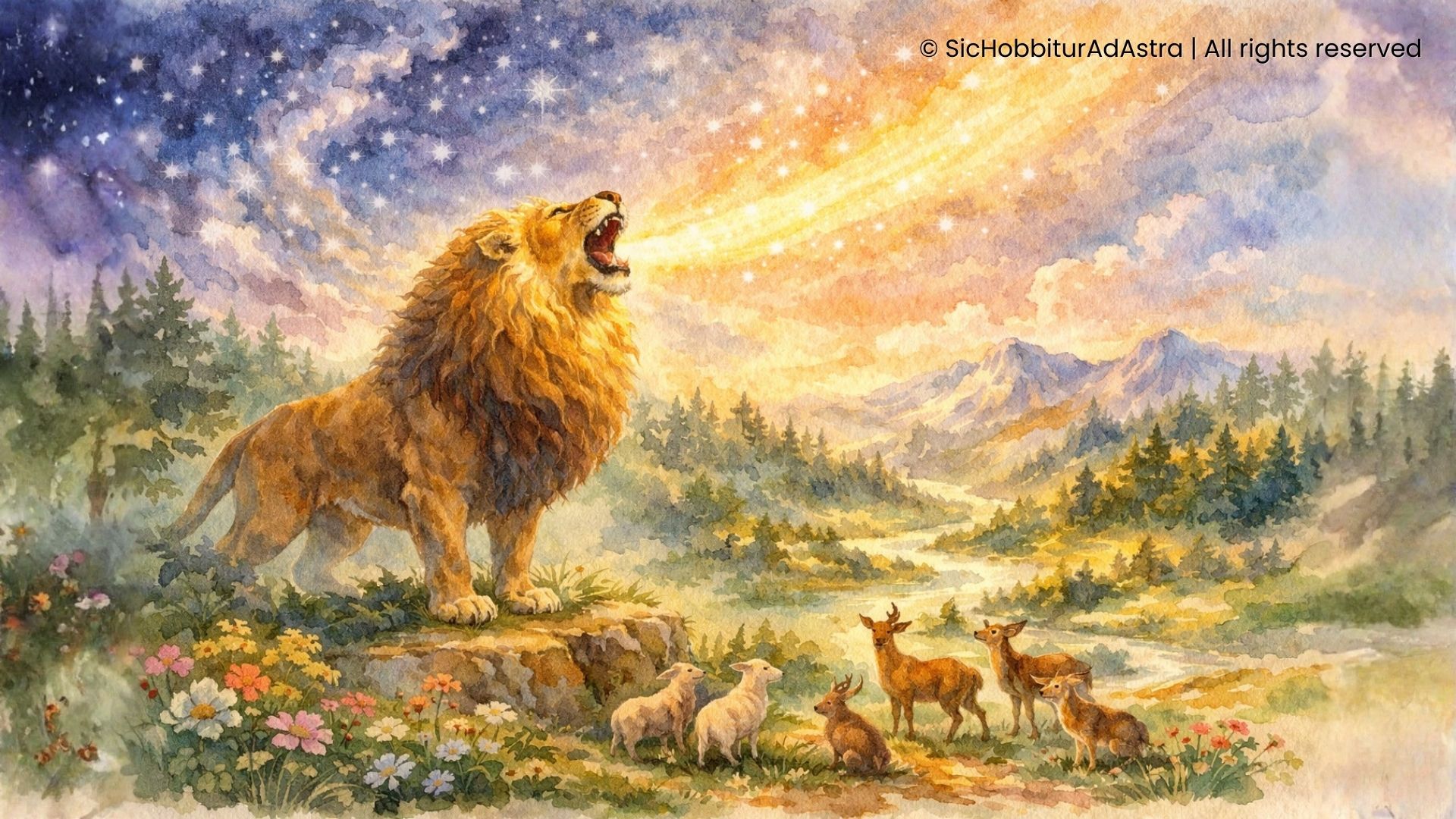 Read more: The Creation of Narnia in The Magician’s Nephew (and in the Classroom)
The creation of Narnia in The Magician’s Nephew is a magical moment where Aslan sings the world into being. In my classroom, this scene has sparked deep reflections on language, imagination, and understanding — and I want to share them with you.
-
Teaching The Magician’s Nephew in Middle School: A Practical Guide for the Classroom
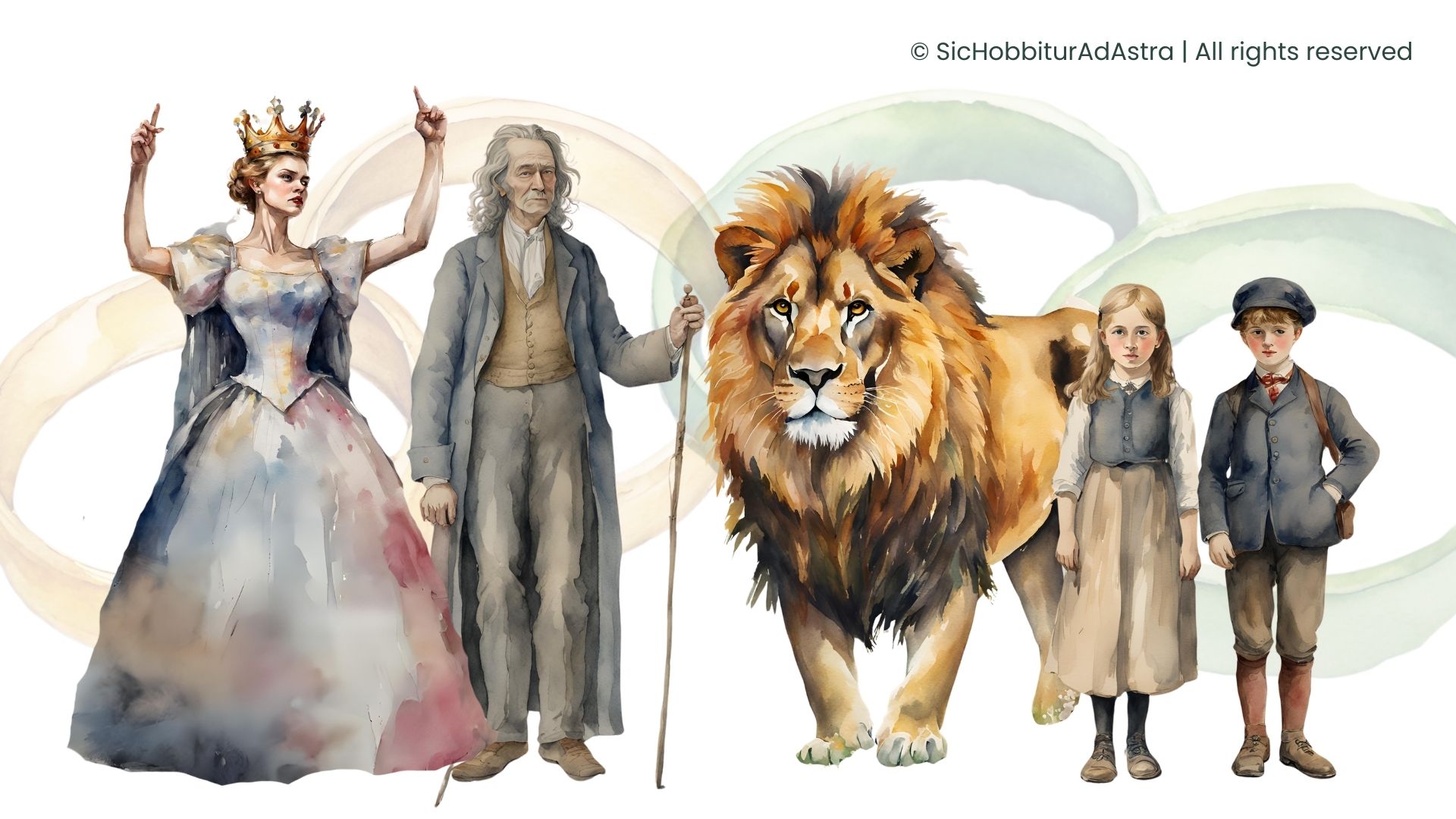 Read more: Teaching The Magician’s Nephew in Middle School: A Practical Guide for the Classroom
Here I share my experience teaching The Magician’s Nephew in middle school. Discover tips on structuring lessons, fostering curiosity, and helping students engage deeply with Lewis’s world.
-
The White Witch and the Concept of Tyranny: Teaching Power and Justice Through Fantasy
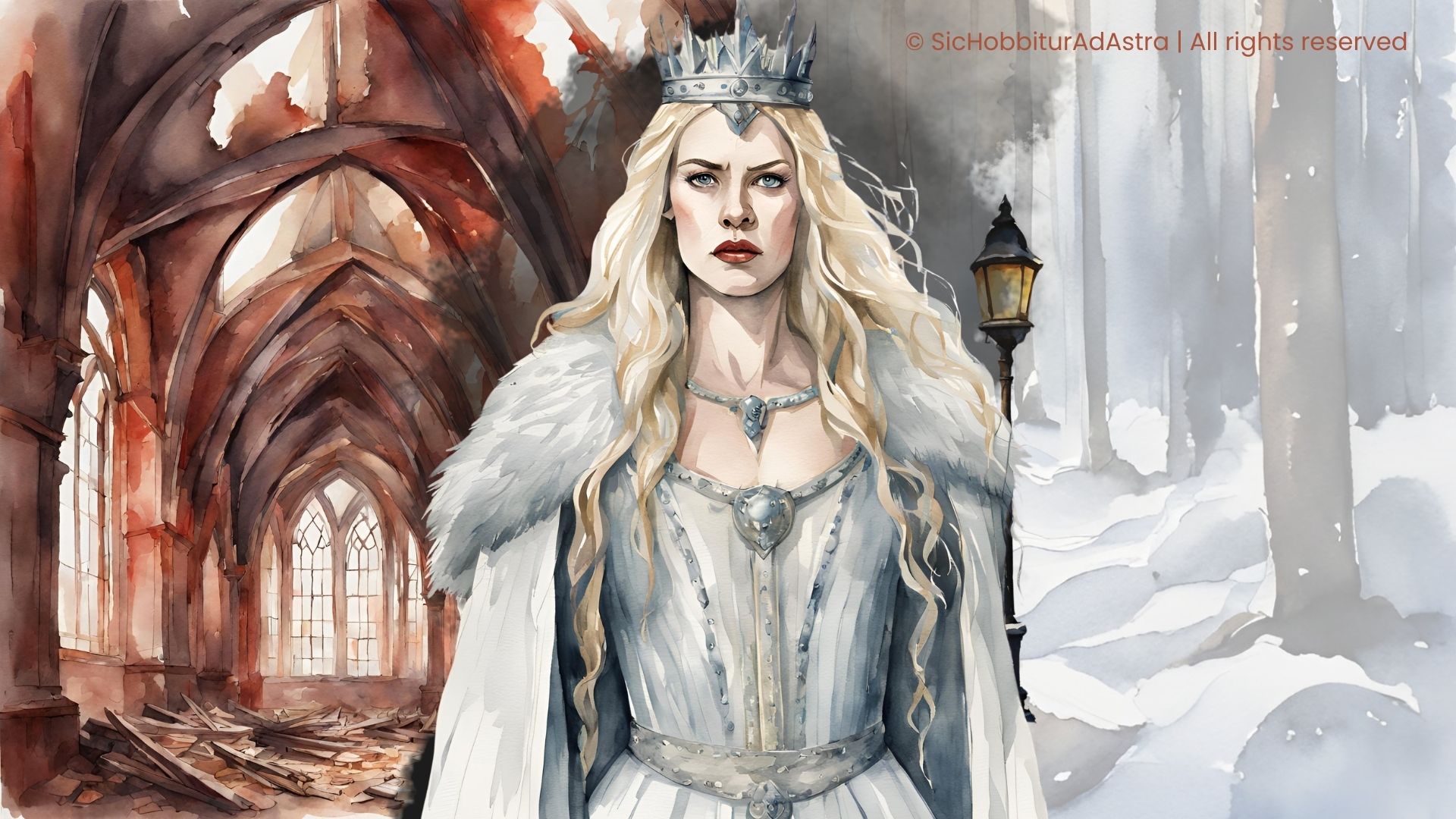 C.S. Lewis, C.S. Lewis – The Lion, the Witch and the Wardrobe, C.S. Lewis – The Magician’s Nephew, Middle School ELARead more: The White Witch and the Concept of Tyranny: Teaching Power and Justice Through Fantasy
The White Witch in Narnia exemplifies tyranny and power: what about some dynamic, interdisciplinary classroom activities to help students reflect on justice, ethics, and moral decision-making through Lewis’s fantasy novels?
-
To Kill Two Mockingbirds: Stories of Boo Radley and Tom Robinson
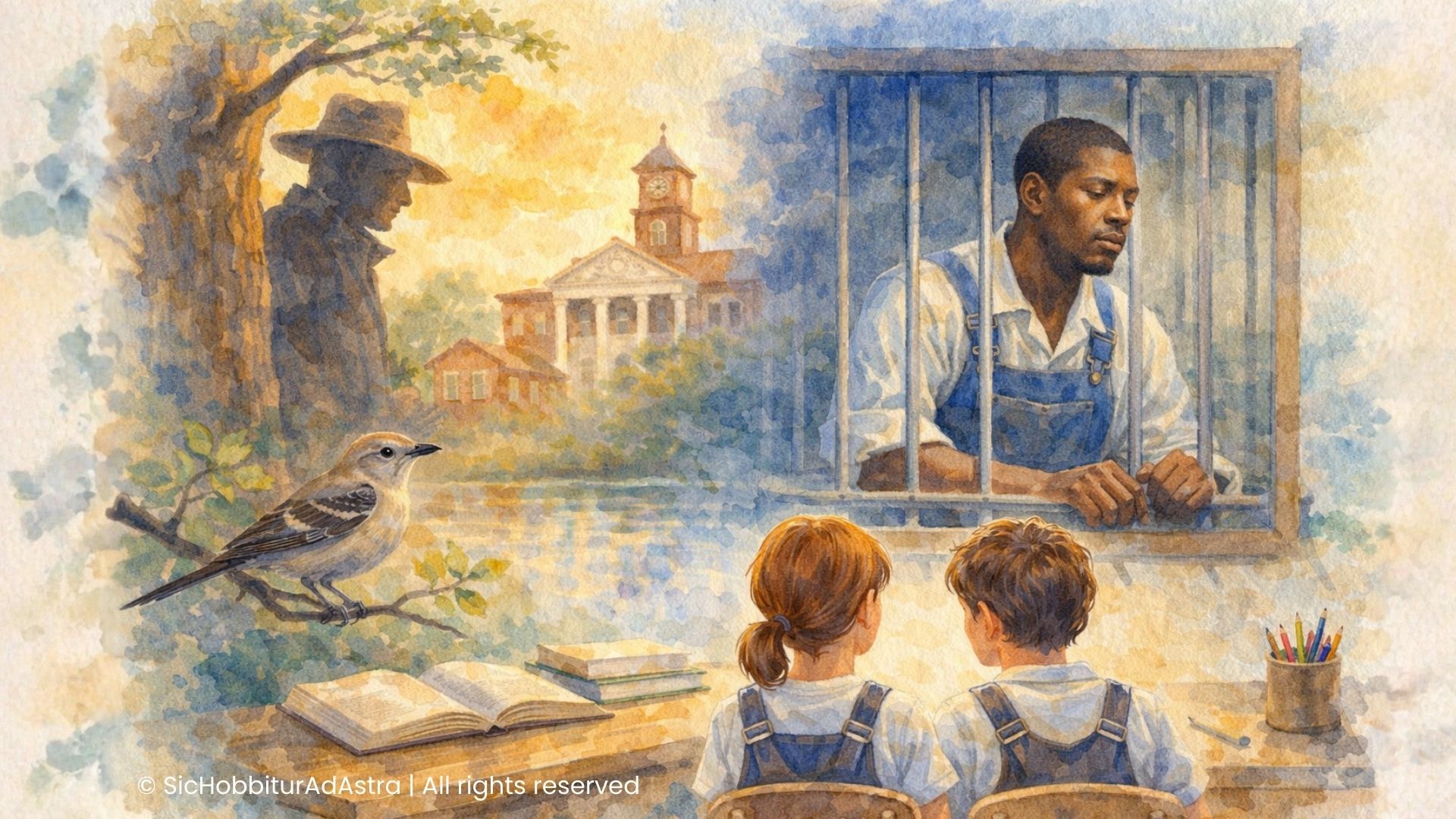 Read more: To Kill Two Mockingbirds: Stories of Boo Radley and Tom Robinson
“It is a sin to kill a mockingbird,” says Atticus in chapter 10. If you’ve ever had a student exclaim, “Oh, wait, that’s the title! But… what does it mean?”, this article will help you dive deeper into the metaphor, exploring the stories of Boo Radley and Tom Robinson and offering insights for your classroom…
-
Mystery Writing Activities Through Film: From Vertigo to Knives Out
 Read more: Mystery Writing Activities Through Film: From Vertigo to Knives Out
What if you could turn films into hands-on learning experiences with mystery writing activities? Using Vertigo and Knives Out, middle school students explore plot twists, hidden clues, and suspense, then create their own thrilling short stories.
- Back to School (3)
- Books That Shape Teachers (1)
- C.S. Lewis (9)
- C.S. Lewis – The Lion, the Witch and the Wardrobe (6)
- C.S. Lewis – The Magician's Nephew (7)
- Classroom Management (1)
- Educational Movie Activities (4)
- H. Lee – To Kill a Mockingbird (5)
- High School ELA (2)
- Homer – The Iliad (5)
- J. Steinbeck – East of Eden (5)
- J.R.R. Tolkien – The Hobbit (6)
- Middle School ELA (11)
- Mythology (5)
- Reading suggestions (6)
- Social Emotional Learning (2)
- Teaching suggestions (11)