C.S. Lewis – The Lion, the Witch and the Wardrobe

How can Narnia teach students about power, courage, and moral choices? Lessons and activities for The Lion, the Witch and the Wardrobe.

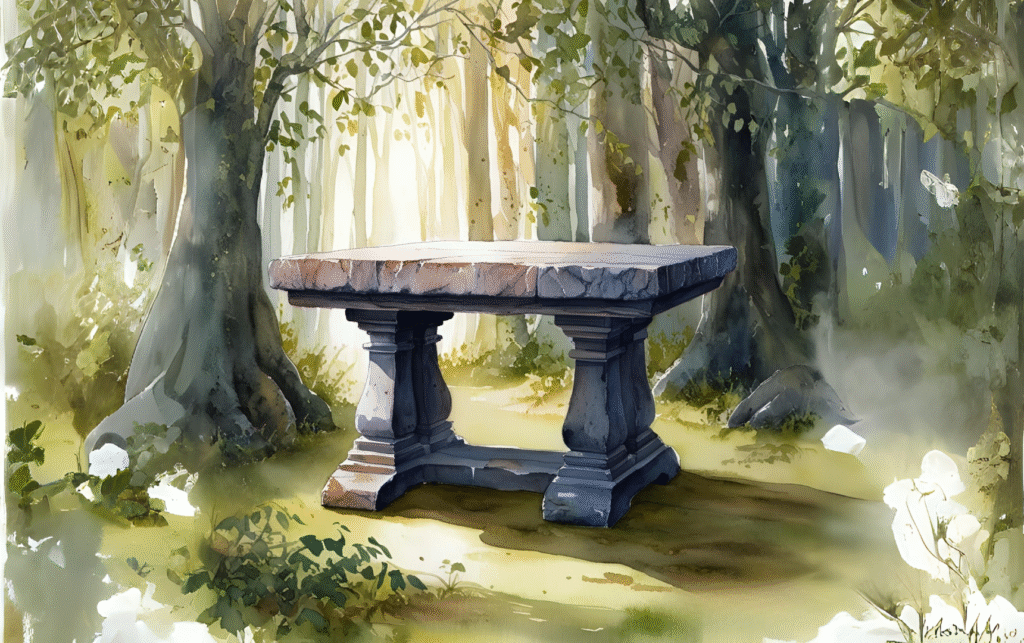
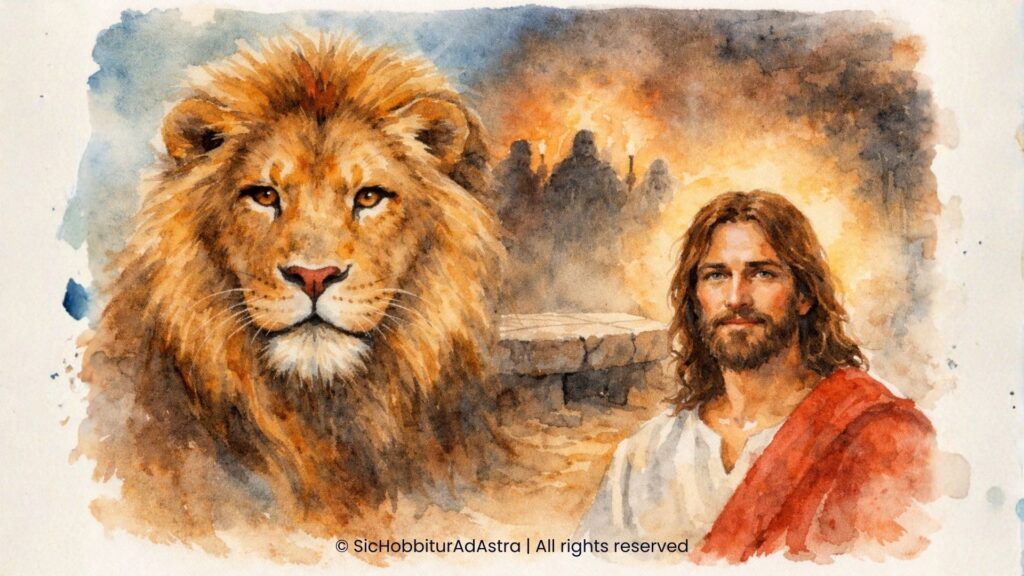
Watercolor painting of Aslan the lion and Jesus Christ standing side by side in Narnia, with the empty Stone Table behind them, illustrating The Lion, the Witch and the Wardrobe allegory and its Christian symbolism. Educational and literary analysis context.
C.S. Lewis C.S. Lewis - The Lion, the Witch and the Wardrobe Middle School ELA

The Lion, the Witch and the Wardrobe Allegory: Understanding C.S. Lewis’s Intent

Explore whether The Lion, the Witch and the Wardrobe is a true allegory or a rich imaginative supposal by C.S. Lewis, and learn how this distinction can deepen students’ understanding of Aslan and the novel’s themes of redemption, sacrifice, and moral growth.

The Lion, the Witch and the Wardrobe Allegory: Understanding C.S. Lewis’s Intent Read Post »
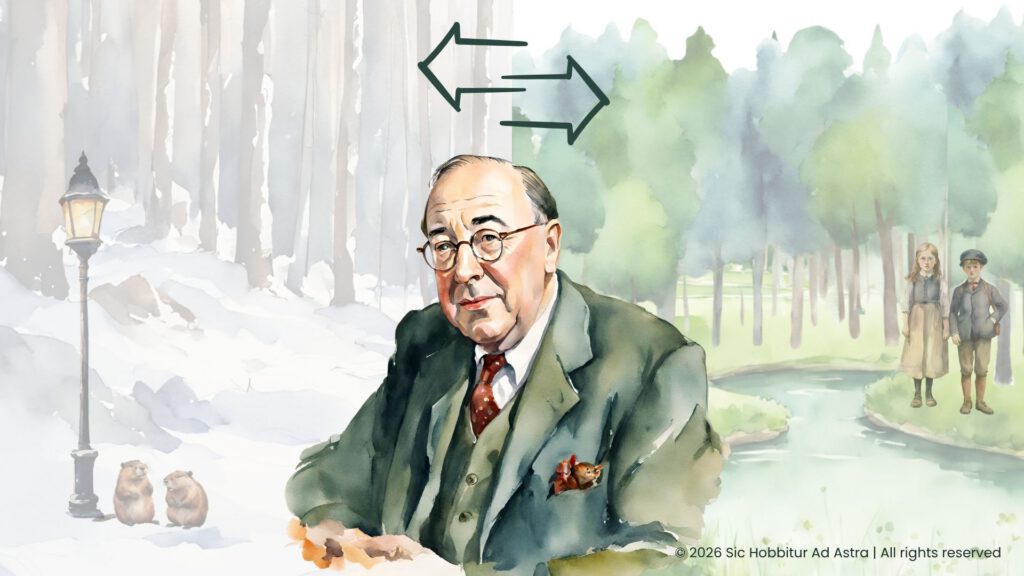
Watercolor painting of C.S. Lewis with snowy Narnia on one side and the Wood Between the Worlds on the other, two arrows above his head pointing to each world, symbolizing the choice of reading order.
C.S. Lewis C.S. Lewis - The Lion, the Witch and the Wardrobe C.S. Lewis - The Magician's Nephew Middle School ELA

Narnia Reading Order for the Classroom: Publication Order vs Chronological Order

In The Magician’s Nephew, C. S. Lewis crafted Narnia’s origins — yet the novel was not written first. Does this have implications for teaching the series? Absolutely. This article explores The Magician’s Nephew’s role as a Narnia prequel and why the difference between publication and chronological order matters in the classroom.

Narnia Reading Order for the Classroom: Publication Order vs Chronological Order Read Post »

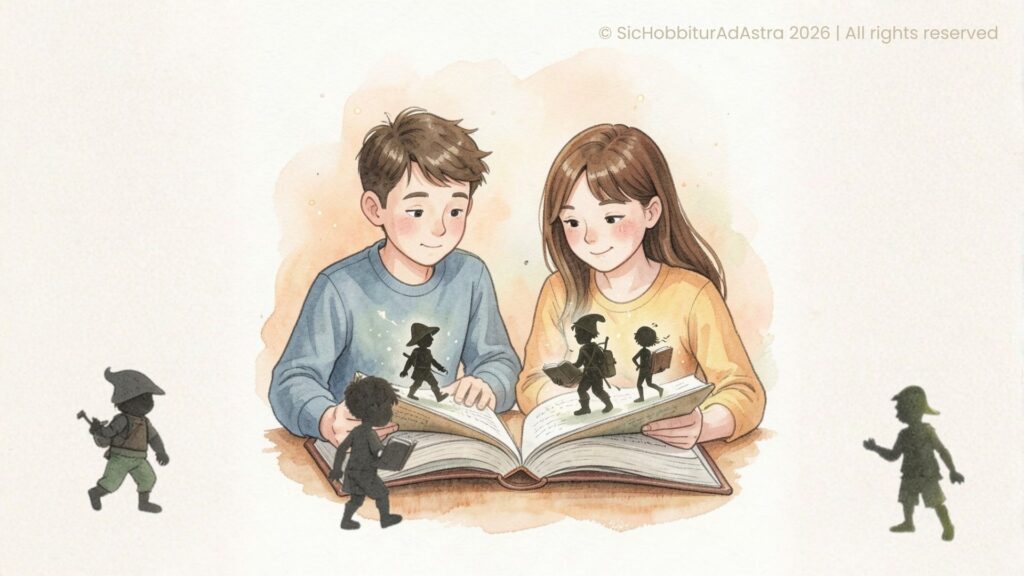
Two middle school students, a boy and a girl, reading an open book from which stylized silhouettes of literary characters emerge, symbolizing vulnerability, internal conflict, and personal growth in literature.
C.S. Lewis - The Lion, the Witch and the Wardrobe C.S. Lewis - The Magician's Nephew H. Lee - To Kill a Mockingbird Homer - The Iliad J.R.R. Tolkien - The Hobbit Middle School ELA

What Makes a Character Relatable to Middle School Students?

Why do some literary characters stay with students long after the last page is turned? This article explores vulnerability, inner conflict, and personal growth as key elements that help middle school readers connect deeply with stories across classic and modern literature.

What Makes a Character Relatable to Middle School Students? Read Post »

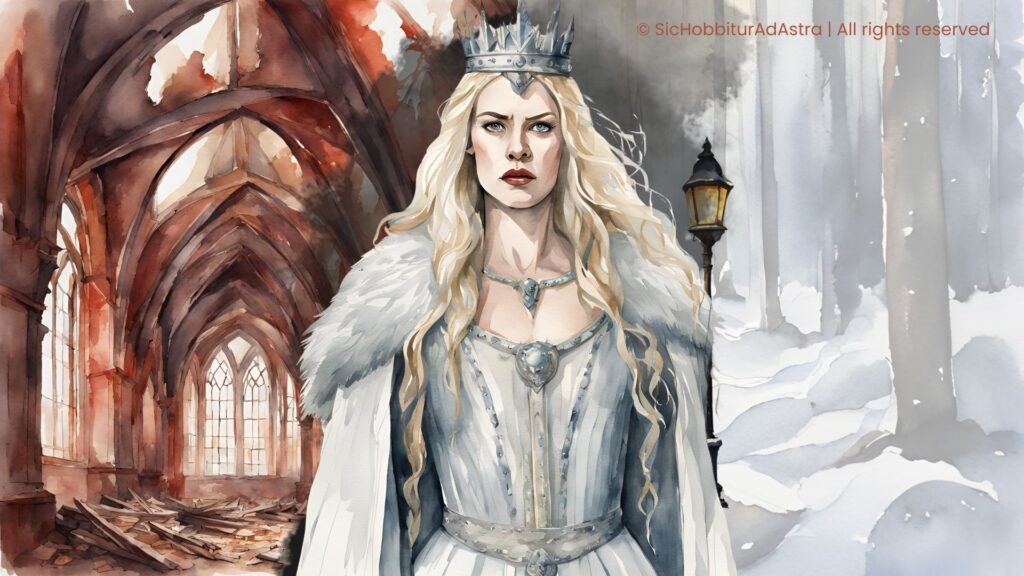
Watercolor illustration of the White Witch in Narnia, with Charn ruins on the left and a snowy Narnia landscape on the right
C.S. Lewis C.S. Lewis - The Lion, the Witch and the Wardrobe C.S. Lewis - The Magician's Nephew Middle School ELA

The White Witch and the Concept of Tyranny: Teaching Power and Justice Through Fantasy

The White Witch in Narnia exemplifies tyranny and power: what about some dynamic, interdisciplinary classroom activities to help students reflect on justice, ethics, and moral decision-making through Lewis’s fantasy novels?

The White Witch and the Concept of Tyranny: Teaching Power and Justice Through Fantasy Read Post »

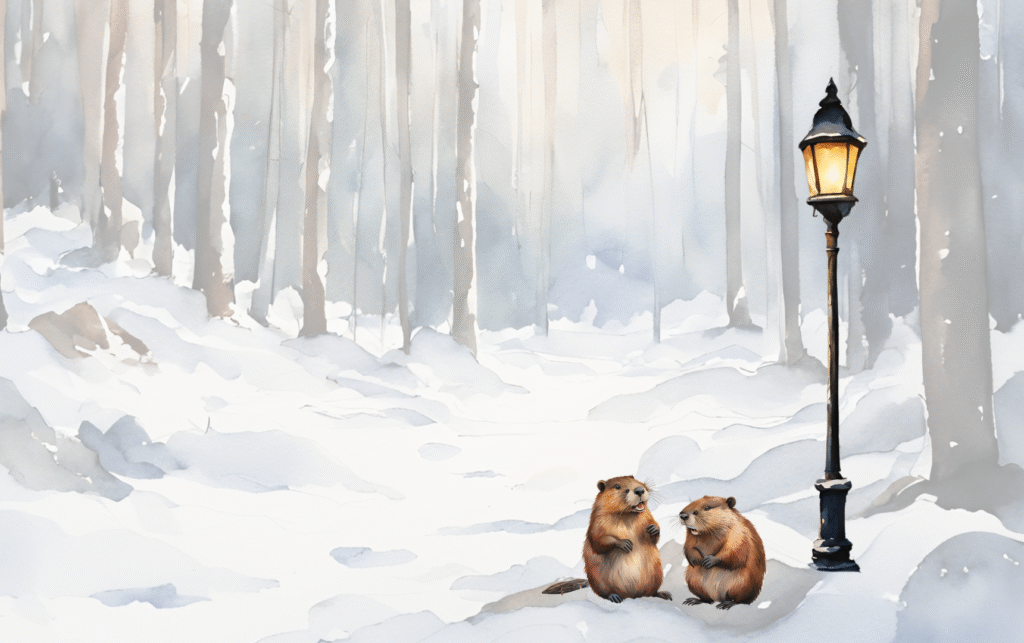
Snowy Narnia with the two Beavers near the glowing lamp-post, evoking the magical world of The Lion, the Witch and the Wardrobe.
C.S. Lewis C.S. Lewis - The Lion, the Witch and the Wardrobe Middle School ELA Reading suggestions

Why Teach The Lion, the Witch and the Wardrobe in Your Middle School Classroom?

Why does The Lion, the Witch and the Wardrobe continue to captivate both students and educators? Its magical adventure, timeless themes of courage and sacrifice, and rich cross-curricular connections create a powerful story that inspires meaningful reflection and lasting engagement in the classroom. Let’s explore why.

Why Teach The Lion, the Witch and the Wardrobe in Your Middle School Classroom? Read Post »

Scroll to Top